

The idea of a solo road trip often begins with a perfect picture: clear skies, open highways, and the freedom to stop wherever you like. However, the reality can be drastically different. Getting lost in unknown regions, running low on fuel in an isolated stretch, arriving late at night only to find no available rooms at your designated place or having no access to electricity outdoors are some of the challenges many solo travellers face.
These situations can be avoided by careful preparations, such as carrying a reliable portable power station and make good preparations.
Here is a step-by-step guide to enjoy a memorable solo road trip.
Preparing Your Vehicle
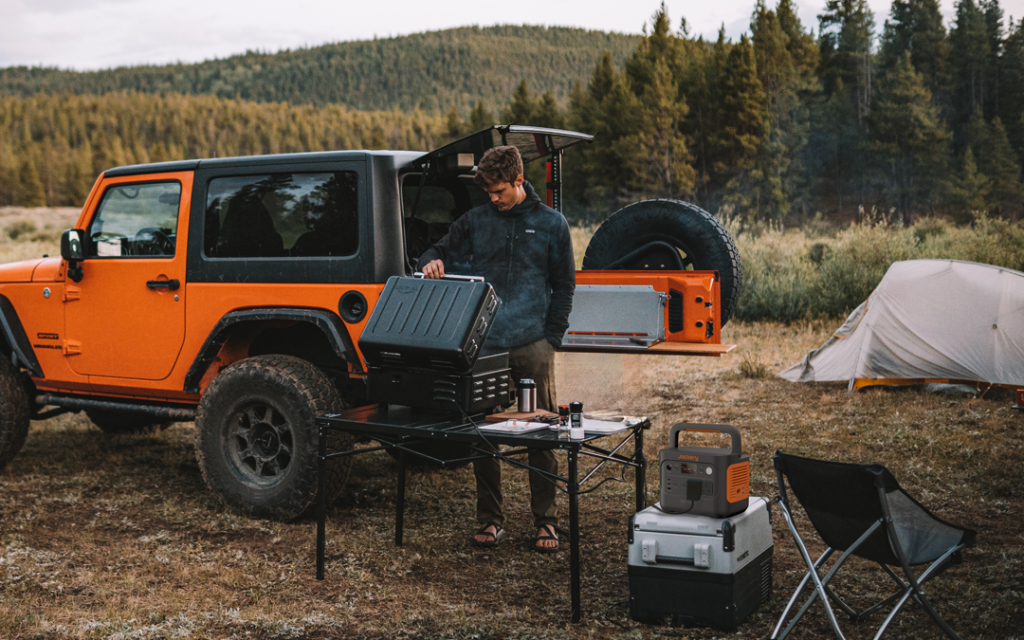
The success of a solo road trip by car depends heavily on how well your vehicle is prepared. Even the smallest issue in a vehicle can cause major setbacks when you are travelling alone. A flat tire on a deserted road, running low on fuel with no station in sight, or driving into terrain your car cannot handle are problems that quickly turn a good day into a stressful one. Without anyone else to share the responsibility, these challenges feel heavier and more difficult to manage.
In these situations, preparation before starting your trip makes all the difference. Carry a spare tire in working condition and know how to use it. Make sure your roadside assistance is up to date so professional help is available if your car fails during the trip. Make a habit of filling the fuel tank before long drives, especially when passing through rural areas. Downloading offline maps gives you a reliable backup when mobile coverage fails.
It is also important to know your car’s limits. A small city car is not built for rough mountain tracks, and forcing it into such conditions will only create problems. Checking the road conditions in advance helps you avoid unnecessary risks. At the same time, pay attention to your own physical and mental condition. Long hours of solo driving lead to fatigue, which increases the chances of mistakes and slows down your ability to react. Plan regular breaks, stay hydrated, and stop for rest instead of forcing yourself to continue.
Guide to Not Getting Lost
Losing your way can quickly disrupt the rhythm of a solo road trip. Even though navigation apps are useful, they are not always accurate and may direct you to unsuitable or confusing roads. The problem becomes worse in remote areas where mobile signals drop, leaving you without any digital support.
You can avoid these situations by preparing in advance. Review more than one map before leaving, so you already have a clear picture of the route. Save offline maps on your phone or GPS device to ensure you can continue navigating without a signal. When passing through small towns or rural areas, don’t hesitate to stop and ask locals. At times, their knowledge of shortcuts and safe routes can be far more reliable than an app.
Combating the Loneliness of a Solo Road Trip
Driving alone for hours can be both mentally and physically draining. Long stretches of silence and monotonous driving can lead to fatigue, making it harder to stay alert. Over time, the feeling of being alone can impact your mood and make the trip feel less enjoyable than expected.
The best way to handle this situation is by keeping your mind engaged. A mix of podcasts, audiobooks, and music can break up the silence and keep you focused during long stretches. Planning a few stops along the way also helps. A short chat with locals at a diner, fuel station, or roadside café can refresh your energy levels and make the trip more enjoyable.
Accommodation Challenges
Securing a place to stay is often harder than it seems from the outside. During peak seasons, hotels and guesthouses reach full capacity quickly, leaving little room for those who arrive without a reservation. On top of that, last-minute cancellations can derail carefully made plans and force you to search for alternatives when you are already exhausted from driving. For a solo traveller, this uncertainty can create unnecessary stress at the end of a long day.
The best way to manage this is by combining preparation with flexibility. Hostels usually have more availability and provide an affordable backup when traditional options are full. Keeping lightweight camping gear in the car is also a good option, since many regions offer safe and accessible camping spots you can use in case of emergencies. In cities and along major highways, 24-hour motels and service areas can help you rest when other services are not available.
Safety Measures
Travelling alone brings freedom, but it also demands a higher level of awareness and responsibility. Here are some important road trip ideas for your safety:
- Real-time Location Sharing
One of the most reliable safeguards during solo outdoor trips is real-time location sharing. Keeping friends or family updated on your movements ensures someone can trace your route if needed. Many mobile apps allow continuous sharing, and checking in at set intervals makes sure that they have access to your live location.
- Delayed Posting
Be strategic about social media use during your travel. Posting live photos, videos, or updates can expose your movements in real time. Delaying posts until after you leave avoids this risk and keeps your travel details private. It also allows you to focus on enjoying the moment instead of being glued to the screen all the time.
- Emergency Preparedness
Emergency preparedness is another area no solo traveller should overlook. A small kit with a first aid box, water, snacks, blankets, and a flashlight should always stay in the car. Keep a list of emergency contacts both on your phone and written down in case the device fails. Do not forget to carry self-defence tools and any associated licenses, just in case. Being prepared for unexpected situations ensures you can handle delays or breakdowns without unnecessary stress.
- Avoid Nighttime Driving
Nighttime driving comes with its own set of challenges and can compromise your safety. Reduced visibility, fatigue, and unpredictable road conditions combine to make late travel more dangerous than daytime driving. Wildlife crossings, poorly lit rural roads, and limited roadside support can make the situation even more difficult. Planning your schedule to end before dark minimises these risks and keeps the trip more comfortable.
Access to Power Outlets
Reliable access to power is one of the most valuable resources for a solo outdoor adventure. It helps you keep your phones, cameras, GPS units, and even small appliances powered so that you can enjoy a comfortable experience. During outdoor activities or while camping overnight, access to outlets is often limited or entirely unavailable. Searching for a place to recharge in unfamiliar towns can be inconvenient and, at times, impossible.
This unreliable access to power can bring many troubles during the journey. A drained phone not only limits communication but also cuts off maps, emergency contacts, and entertainment. Cameras and drones, often used to document the journey, require regular charging as well. Even small essentials like headlamps and portable fans depend on a steady power source. Without reliable charging options, comfort and safety are both affected.
You May Need Portable Solar Generators
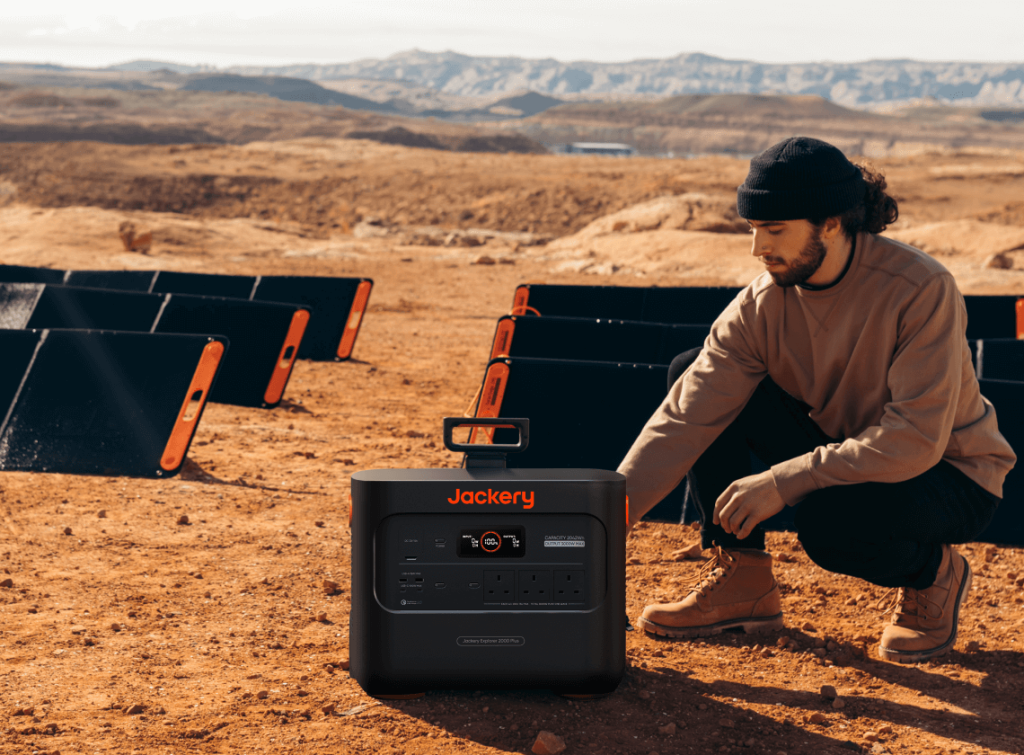
All these challenges can be avoided using a portable solar-powered generator. Jackery brings a range of highly reliable and battle-tested solar power stations that are known for rigorous outdoor use.
Two standout options for your solo road trip include the Jackery Solar Generator 2000 v2 and the Jackery Solar Generator 3000 v2. Here is what both these solar generators bring for road trips.
- Jackery Solar Generator 2000 v2
The Jackery Solar Generator 2000 v2 combines a compact design with impressive output, making it suitable for every type of road trip. It delivers 2042Wh of capacity with a 2200W output, enough to run essentials like a mini-fridge, cooking gear, lights, and laptops powered during overnight stops. At 38.6 lbs (17.5 kg), its portable power station remains compact and lighter than many units in its class, making it practical to move between the car and a campsite.
The Jackery Solar Generator 2000 v2 has fast and versatile charging options. Wall charging can be completed in 1.7 hours, while the emergency super charge mode restores full power in about 1.33 hours. When travelling outdoors, solar charging is often the most practical way to keep this solar generator ready for use. The Jackery Solar Generator 2000 v2 can be recharged in about 5.5 hours under 400W solar input. This makes it a dependable choice for travellers who spend the day driving or exploring.
Built with LiFePO₄ battery technology, it promises a lifespan of up to ten years. Features like smart app monitoring, quiet operation under 30dB, and safe operations make this solar generator efficient and reliable.
- Jackery Solar Generator 3000 v2
Travellers planning longer road trips through the UK or carrying heavier equipment prefer the Jackery Solar Generator 3000 v2. With a capacity of 3072Wh and an output of 3600W, it can handle demanding gear such as portable coolers, coffee machines, fans, lights, and any other electronic device outdoors.
The Jackery Solar Generator 3000 v2 can be recharged via wall charging, car charging, solar panels, and AC+DC hybrid charging. With a solar input of 1000W, it only takes 3.5 hours. Charging with AC+DC (54V) takes only 1.4 hours. Plus, it has multiple AC and USB ports that support charging devices simultaneously, from smartphones to energy-hungry appliances.
This solar generator is designed with a broader working temperature range, with a discharging temperature between –15°C and 45°C. These working conditions make it usable for both chilly mountain mornings and warmer summer climates.
Making the Trip More Meaningful
A solo road trip gives you the chance to create memories, discover new sides of yourself, and connect with places in ways that stay with you long after the journey ends. Here is how you can make your journey meaningful:
- Documenting the Journey
Recording the trip through photos, short vlogs, or journaling ensures that you preserve the details of your road trip for lasting memories. Capturing a quiet roadside view, the atmosphere of a small town, or anything that captures your attention makes the whole experience much more meaningful.
Even quick notes on your phone or a pocket-sized notebook can become a valuable reminder of moments that would otherwise fade.
- Trying New Experiences Alone
Travelling solo creates space to try things you might skip in group travel. Watching a sunrise in silence, enjoying a picnic by the water, or stargazing under an open sky all become more meaningful when experienced alone.
Sampling local cuisine from markets or small eateries also brings you closer to the culture of each stop. Taking part in tours, workshops, or small community activities introduces unexpected variety to your trip and often sparks memorable interactions.
- Adjusting Plans Flexibly
Strict schedules often take away the freedom that makes a solo road trip unique. Keeping your plans flexible makes room for unexpected opportunities that make the journey memorable. For example, you might come across a small-town festival filled with music and food, or notice a scenic viewpoint that is not marked on any map.
If you are not flexible, you end up ignoring such wonderful places that can make your trip even more beautiful. Locals may also suggest routes or hidden spots you had not considered, and being open to change lets you enjoy these experiences.
Wrapping-Up
A solo road trip can be one of the most rewarding ways to travel, but the success of these trips depends on preparation. From keeping your vehicle in good condition to planning navigation, accommodation, and safety measures, every step helps reduce stress and keep the focus on the experience itself.
Reliable access to power is equally important, especially for communication, navigation, and comfort during outdoor stays. Jackery portable solar generators make sure that all your devices are powered up during your stays outdoors so that you can enjoy the experience without any trouble. Visit the Jackery website now to get the most suitable one!
